
People ask this question while standing in a wet kitchen or basement, and the honest answer is that it depends. A homeowners policy is a contract, and water damage is not one single risk. Insurers split it into several causes, and each cause can be covered, excluded or covered only with an added endorsement. This guide explains the common splits so you can read your own policy with better questions.
We are a restoration company, not an insurer, an attorney or an adjuster. We cannot tell you what your carrier will pay, and nothing here is legal advice. What we can do is explain how water damage is usually described in policies and how a restoration crew documents a loss so an adjuster can read it. For a repair plan, see water extraction and structural drying.
The cause of the water matters most
Policies tend to ask one question first: did the water come from inside the home in a sudden and accidental way, or did it come from outside, from the ground or from a slow problem that went unattended? The answer sorts your loss into a category. The table below shows the usual pattern. Your own policy language controls, so treat the table as a map and not a promise.
| Cause of water | Often treated as | What to check in your policy |
|---|---|---|
| Burst or frozen pipe, sudden supply line failure | Sudden and accidental, often covered | Freeze conditions, heat maintained, deductible |
| Water heater or appliance that fails suddenly | Often covered for the resulting damage | Whether the failed part itself is excluded |
| Slow leak behind a wall or under a sink | Often limited or excluded as gradual or continuous | Wording on continuous or repeated seepage and neglect |
| Rising floodwater from storms or surface water | Typically not covered under a standard policy | A separate flood policy may apply |
| Sewer or drain backup, sump pump failure | Often excluded unless an endorsement was added | Water backup endorsement and its limit |
| Rain entering through a damaged roof or window | May be covered if the opening was caused by a covered event | Wind and storm deductibles, maintenance exclusions |
Read the table as a starting point. Two homes with the same flooded basement can get different answers because of different endorsements, limits and deductibles. The declarations page at the front of your policy lists coverages, limits and deductibles, and it is the place to start.
What the New York Department of Financial Services says
The New York Department of Financial Services explains that standard homeowners, condo and renters policies do not cover flooding, and that flood coverage generally comes from a separate flood insurance policy. It also notes that some insurers offer an optional endorsement for sewer or sump pump backup, for an added premium. The state describes flooding as water coming in above the foundation and backup as water coming up from below it.
That distinction can decide a claim. Water that pushes up through a floor drain after a municipal line backs up is a different event from water that rises across a yard and comes through a basement door. If you are not sure which one applies to you, ask your agent now, before you need the answer.
Active water in the home?
Call the 24/7 line. Stopping the damage early also keeps the claim simpler.
Sudden versus gradual damage
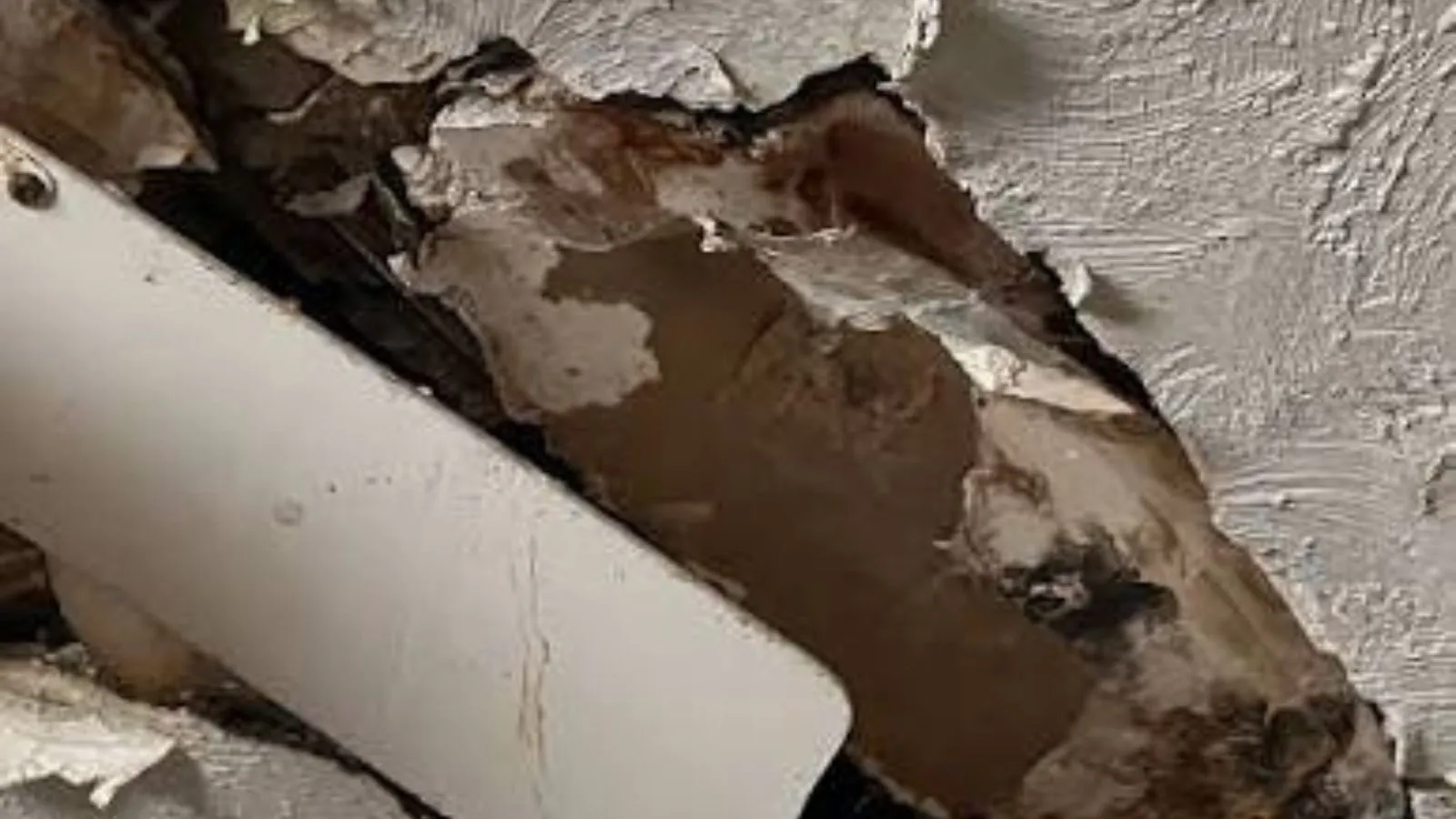
Most policies cover sudden and accidental discharge and exclude damage that happens over time. A supply line that snaps at 2 a.m. is sudden. A drip under a bathroom vanity that has been wetting the cabinet floor for months is gradual. Adjusters often look at staining, rot, rust and mold growth to judge how long water has been present, which is one reason a written moisture record matters.
Many policies also contain language about neglect, meaning failure to take reasonable steps to protect the property after a loss. That is why insurers expect you to stop the water and limit further damage. Reasonable emergency steps are usually reimbursable under the policy terms, and keeping receipts helps if the insurer asks about them. Ask your carrier what it requires.
Deductibles, limits and sub-limits
Even a covered loss may not pay in full. A deductible comes off the top of the loss, and some policies carry separate or higher deductibles for certain events such as wind or hurricane. Some also apply a sub-limit to water damage, mold or sewer backup, which caps what the policy pays for that cause. These caps are easy to miss until a claim, so read the sections on limits.
- The deductible amount and whether it differs by cause
- Any limit or sub-limit on water backup, mold or ongoing leakage
- Whether the policy pays replacement cost or actual cash value for flooring and drywall
- Notice deadlines, meaning how soon you must report the loss
- What the policy says about protecting the property after a loss
What a restoration company does and does not do
A restoration crew stops the damage, removes water, dries the structure and documents the work. We write a scope, take moisture readings and photograph conditions. That paperwork is what you hand to your insurer or adjuster. We do not decide coverage, we do not promise what a carrier will pay and we do not negotiate your policy. Your insurer decides coverage, and a public adjuster or attorney is a separate choice if you want one.
You may also see wording about assigning your claim or letting a contractor deal with the insurer on your behalf. Read anything you are asked to sign, and ask what it means before you sign it. A clear scope and price in writing should come before work starts, and you should be comfortable with the paperwork.
Insurance questions we hear in Hempstead
Hempstead has detached houses, two-family homes, garden apartments and downtown buildings with shops below and apartments above. Policies differ by building type, and a renter carries a very different policy from an owner. If you rent, your landlord insures the building and you insure your belongings, which is why downtown Hempstead tenants should ask both parties who is responsible.
If you are not sure whether your town or ZIP code is in our area, the service area page lists the Nassau County towns we cover.
A short checklist for after the water stops
- Stop the source if it is safe, and turn off power to wet areas if it is safe to do so.
- Photograph and video every wet area before anything is moved.
- Call your insurer or agent and ask how to report the loss.
- Make only the repairs needed to protect people and property, and keep receipts.
- Ask for a written scope and readings from the crew that dries the building.
None of these steps ensures coverage, but together they give your adjuster a clear record. The goal is a loss that is easy to read, easy to price and easy to repair.
Frequently asked questions
Does homeowners insurance cover a burst pipe?
Often yes for the sudden damage, depending on your policy, its exclusions and your deductible. Read the freeze and maintenance wording, and ask your insurer.
Is flood damage covered by a standard homeowners policy?
Generally not. The New York Department of Financial Services says flood coverage usually requires a separate flood policy.
Does insurance cover a sewer or drain backup?
Sometimes, if you added a water backup endorsement. Without it, backup is often excluded, so check your declarations page.
Can you tell me if my claim will be paid?
No. Your insurer decides coverage. We document the loss with photos, readings and a written scope.
Do you handle water damage claims for Hempstead renters?
We dry and repair the space and document the loss. A renter should also tell the landlord in writing, since the building policy and your renters policy cover different things.