
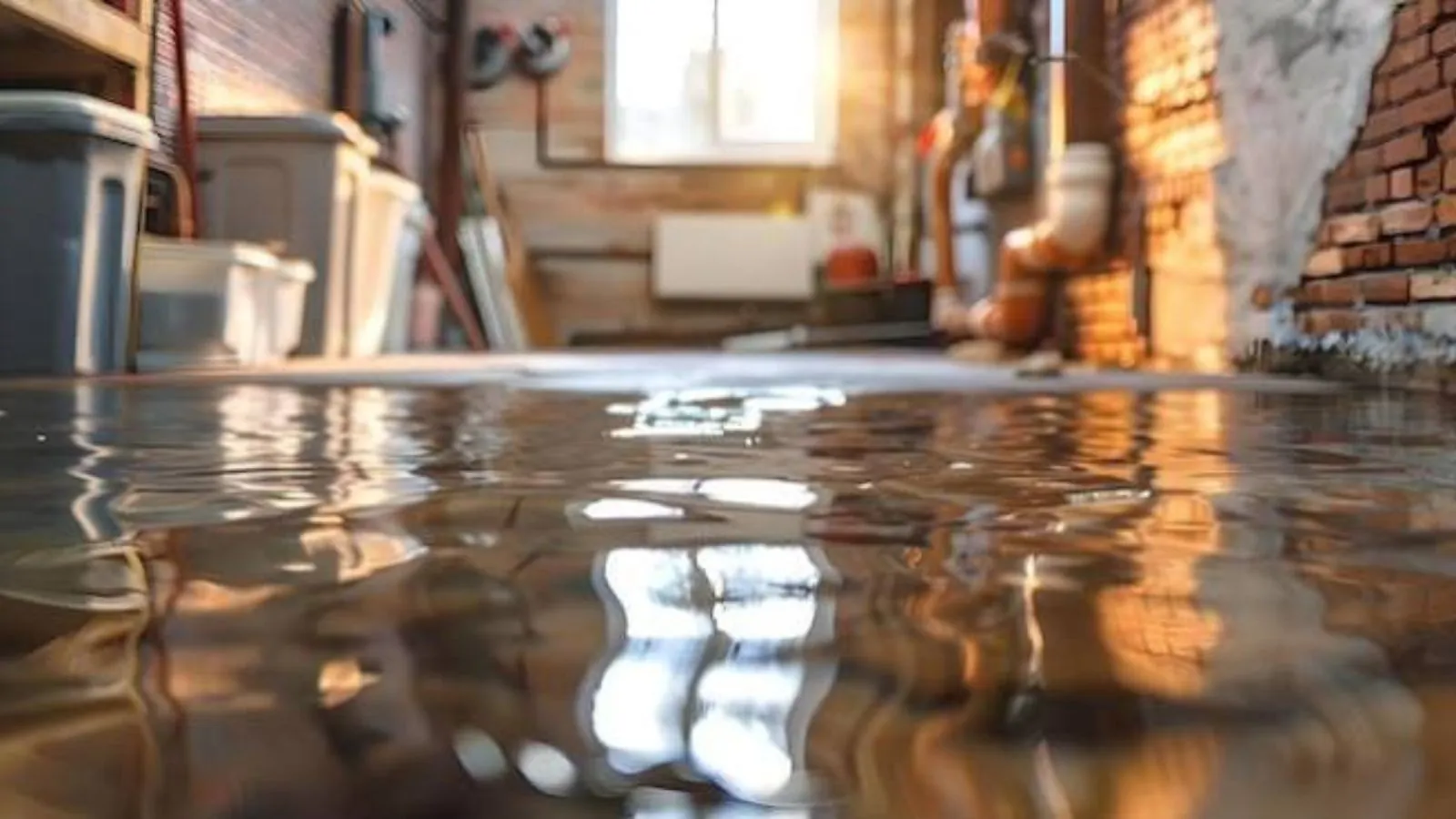
Choosing a restoration company is hard because you usually do it under pressure. Water is on the floor, a ceiling is sagging and every minute matters. The decision still deserves a few minutes of care, because the company you hire will be in your home, directing equipment, removing materials and producing the records your insurer may read. This guide gives you a short list of questions you can ask during a single phone call.
We are one of the companies you might call, so keep a healthy skepticism and use the questions on anyone, including us. We make no claims about price or speed here, and we do not promise an arrival time on the phone, since it depends on the job and traffic.
Question 1: is the line answered around the clock?
Water damage does not wait for business hours. Ask whether a person answers the phone at night, on weekends and on holidays, and what happens after the call. A real dispatcher asks about the water source, depth and what is wet. Be wary of a voicemail box that promises a callback.
Question 2: what will you explain before work starts?
A trustworthy company explains the scope and the price before work starts, in writing if you ask. The scope should say what will be extracted, what equipment will be used, how many days of drying are expected and which materials may be removed. Beware of any company that asks you to sign a blank or vague authorization before it has looked at the damage.
Want the questions answered by phone?
Call the 24/7 line. We explain the scope and price before work starts.
Question 3: what standard guides the work?
The industry reference for professional water damage restoration is ANSI/IICRC S500, and for mold it is S520. Ask whether the crew follows those standards, how it classifies water and how it verifies that materials are dry. A company that can describe its drying goals and readings is easier to trust than one that says it will just run some fans for a few days.
Ask also whether crew members hold IICRC training or certification. A certificate is not a promise of quality, but it shows that someone studied the standard.
Question 4: what records will I get?
| Record | What it shows |
|---|---|
| Initial moisture readings and sketch | Where the water went and how wet materials were |
| Water category notes | Whether the water was clean, gray or contaminated |
| Daily or repeat drying readings | Progress toward normal moisture levels |
| Written scope of work | What was extracted, dried, removed and repaired |
| Photos before, during and after | Conditions you and your insurer can review |
| Final readings | Evidence that materials reached drying goals |
These records matter if you file a claim. We do not decide coverage or promise what an insurer will pay, but a clear record helps your adjuster read the loss. Ask any company how it handles paperwork before you hire it.
Question 5: what do licenses and insurance cover?
Ask what licenses and insurance apply to the work in your area. In New York, mold assessment and remediation on projects larger than 10 contiguous square feet fall under Article 32 of the Labor Law, with licensing through the Department of Labor, and the assessor and remediator must be independent on the same project. Ask any company that offers mold work how it follows that rule. Ask for proof of insurance and keep a copy.
Warning signs to watch for
- Pressure to sign immediately without a walkthrough
- A price quoted over the phone with no look at the damage
- No written scope or a scope that cannot be explained
- A demand for a large payment up front before any work
- Claims that the company controls what your insurer pays
- Fear tactics about health that go beyond what a physician would say
- Equipment left running with no readings taken
Companies that promise to control your insurance outcome are making a promise they cannot keep, since the insurer decides coverage. A company that shows up unprompted after a storm and asks you to sign something is another reason to slow down.
Compare more than the price
A low estimate can leave out drying days or equipment, and a high one can bundle repairs you do not need yet. Compare scopes line by line, not totals. Ask which items could change if the walls turn out to be wetter than expected, and how a change would be explained to you. See structural drying for why drying days drive many mitigation prices.
What a good first call sounds like
- The dispatcher asks where the water came from and whether it has stopped.
- You are told what to do for safety while waiting.
- The company explains that a crew will inspect, read moisture and explain the scope and price.
- You are not pushed to agree to anything you do not understand.
- You are told honestly if your problem needs another trade, such as a plumber.
Authorizations and paperwork you may be asked to sign
Most companies ask you to sign a work authorization. Read it. Check that it matches the scope and price you were given, and ask what any assignment or direction-to-pay language means. If you do not understand a clause, ask for an explanation before signing, or ask for time to talk to your insurer. A clear company does not mind the pause. Keep a copy of everything you sign.
Choosing a company in Hempstead
In Hempstead, many calls come from apartments, two-family houses and downtown buildings with shared walls, where a company also has to coordinate with a landlord or neighbors. Ask whether the crew has handled that kind of loss and how it documents it.
We serve Hempstead and nearby Nassau towns, listed on the service area page, and our page on downtown Hempstead water damage covers shared-wall buildings. Our commercial water damage page covers shops and offices.
Take the questions on this page and use them on every company. The one that answers clearly and writes it down is usually the safer choice.
Frequently asked questions
What should I ask a water damage restoration company?
Ask whether the line is answered 24/7, what scope and price will be explained before work starts, what standard guides the work and what records you will receive.
Should I get more than one estimate?
If time allows, yes. Compare scopes and drying days line by line and not only the total.
Can a restoration company promise insurance payment?
No. Your insurer decides coverage. Be cautious about any company that promises a payout.
Does New York license mold work?
Yes. For projects larger than 10 contiguous square feet, New York requires licensed assessors and remediators who are independent of each other.
Do you explain the price before starting in Hempstead?
Yes. A crew inspects, takes readings and explains the scope and price before work starts.