
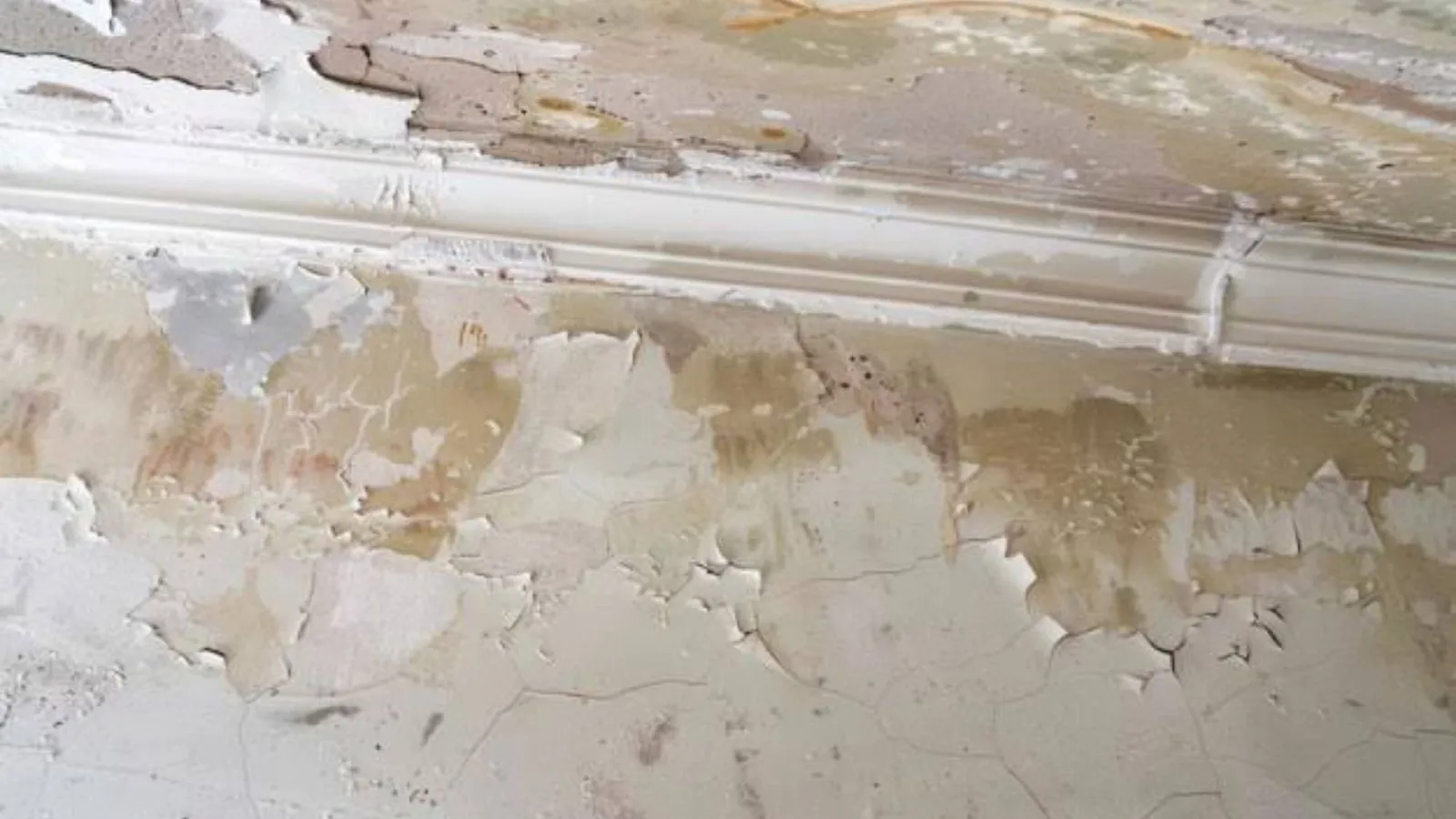
Few bills spark as much alarm as an unexpected water charge. The cause might be simple, such as a guest staying for a month, a new irrigation habit or a seasonal change. It might also be a leak that nobody can see. This article explains common causes and a basic test you can do in about an hour. If the test points to a leak, a plumber finds it and a restoration crew dries what got wet.
We cannot read your bill or your utility rates for you, and we do not guess at causes from a number. If you question the charges themselves, contact your water provider or the village. Use the steps below to decide whether water is escaping inside your property.
Common reasons a bill goes up
| Cause | How it shows up | Who usually fixes it |
|---|---|---|
| Running or leaking toilet | Constant faint sound of water, a flapper that does not seal | Homeowner or plumber |
| Dripping faucet or shower valve | Visible drips, stained fixtures | Plumber |
| Hidden supply line leak | Meter moves with everything off, damp wall or floor | Plumber, then a restoration crew |
| Irrigation or hose leak | Wet ground, soft spots outdoors | Irrigation contractor or plumber |
| Water heater or appliance leak | Damp base, rust, pooled water | Plumber or technician, see water heater leaks |
| More use than usual | Visitors, a new appliance, a seasonal change | No repair needed |
The toilet is the single most common hidden culprit in many homes. A flapper that does not seal lets water trickle into the bowl all day. A few drops of food coloring in the tank, with no flushing, shows it. If color appears in the bowl within a few minutes, the flapper is leaking.
The one-hour meter test
- Turn off every faucet, appliance and the ice maker, and do not flush.
- Find your water meter and note the reading or watch the small leak indicator.
- Wait an hour without using any water.
- Check the reading again. If it moved, water is escaping somewhere.
- If it did not move, the cause is probably usage or timing and not a leak.
If the meter moves, close the main shutoff and check again. If it stops moving after the main is closed, the leak is inside your property. If it keeps moving, the problem may be on the supply side before your shutoff. Tell your water provider in either case. A plumber can then trace the line and pinpoint the leak.
Leak already wet the floor or wall?
Call the 24/7 line. We extract, dry and document while the plumber fixes the source.
Where hidden leaks often sit
- Inside walls behind bathrooms, kitchens and laundry areas
- Under slab floors, see slab leak water damage
- Under sinks and behind appliances
- In basement or crawl space plumbing, see crawl space water damage
- In ceilings below upstairs bathrooms
A hidden leak can wet drywall, insulation and flooring slowly. EPA guidance says to dry wet materials within 24 to 48 hours to limit mold growth, so a leak that has been running for weeks may leave more than a high bill. After the plumber repairs the line, ask a crew to take moisture readings of the area to confirm it is dry.
Signs that the bill is not the only problem
Watch for stains that spread, a musty smell, warped baseboards, a damp spot on flooring, low pressure or the sound of running water in the walls at night. Any of these alongside a high bill is a strong hint that water is escaping into the building. See ceiling water damage repair for what leaking from above looks like.
Insurance and billing questions
Policies often treat a sudden pipe failure differently from a slow, long-running leak, and some utilities have their own adjustment policies. Ask your insurer about your policy and your provider about your account. We do not decide coverage or billing adjustments. We can document the damage the leak caused with photos, readings and a written scope.
Outdoor leaks and irrigation
Not every leak is inside. A cracked hose bib, a faulty irrigation valve or a break in the line between the meter and the house can waste water for weeks. Look for wet or unusually green patches of lawn, soft ground near the foundation and standing water when it has not rained. Water outdoors does not always damage the house, but a leak near the foundation can send water into a basement wall.
If you find an outdoor leak, shut off the line if you can and call a plumber or irrigation contractor. If water has reached the basement, see basement water damage cleanup. Photograph conditions so there is a record of what you found and when.
A plain checklist before you call anyone
- Check every toilet with a few drops of food coloring in the tank
- Look under every sink and behind appliances for moisture
- Check the water heater base and any nearby pipes
- Run the hour test with all water off
- Look at the meter after closing the main shutoff
- Ask your provider whether a reading error or a billing period change is possible
Remember that bills can also change for reasons unrelated to leaks. A longer billing period, an estimated reading corrected on the next bill, a new rate or a seasonal change in use can all raise the total. Compare the usage figure and the dates, not only the dollar amount, and ask the provider to explain anything that looks odd. That quick check can save you from chasing a leak that is not there.
Once the leak is repaired, drying of the wet area follows ANSI/IICRC S500 and EPA guidance to dry wet materials within 24 to 48 hours.
Water bills and leaks in Hempstead homes
Hempstead has a wide range of building ages, from older houses with long-standing plumbing to newer construction. An aging supply line or fitting is a common place for a slow leak to begin. Landlords and tenants should both know where the main shutoff is.
If you rent, tell the landlord in writing as soon as you suspect a leak. For buildings near Main Street and Fulton Avenue, see downtown Hempstead water damage. The service area page lists nearby towns we cover.
A high bill is a prompt to test, not a reason to panic. Do the hour test, fix what you find and dry anything that got wet.
Frequently asked questions
Why did my water bill suddenly go up?
Common causes are a leaking toilet, a dripping fixture, a hidden pipe leak, an irrigation problem or simply more use. A meter test helps tell which.
How do I check for a hidden leak?
Turn off all water use, note the meter reading, wait an hour and check again. If it moved, water is escaping.
Who fixes the leak and who dries the damage?
A plumber repairs the line, and a restoration crew dries and repairs the wet building materials.
Will insurance pay for a leak that raised my bill?
It depends on your policy and the cause. Many policies treat sudden damage and long-running leakage differently, so ask your insurer.
Do you handle water damage from hidden leaks in Hempstead?
Yes. After the source is fixed, we take readings, dry the structure and document the work.